

Context
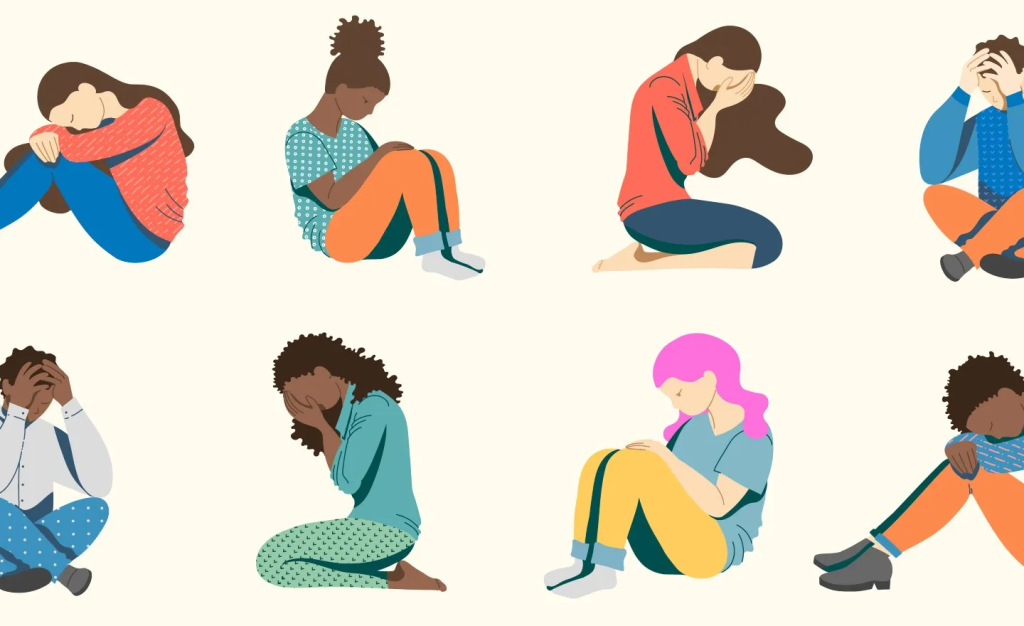
- The recent deaths of three adolescent girls in Ghaziabad reflect a deeper mental health crisis.
- The mental health disorders are increasingly seen among children aged four to five years. The studies show 7–10% of Indian adolescents suffer from diagnosable mental health conditions.
- Around 5–7% of school-aged children are affected by Attention-Deficit/Hyperactivity Disorder (ADHD).
- The Economic Survey 2025–26 acknowledged rising mental health challenges among youth.
Challenges Associated
- Early Vulnerability and Delayed Recognition
- Emotional disorders begin in early childhood but are dismissed as behavioural immaturity.
- Early trauma, neglect and chronic stress disrupt emotional and cognitive development.
- Comorbid conditions such as ADHD with anxiety or depression are increasingly common.
- Families seek professional help only when distress escalates into crisis situations.
- Acute Shortage of Mental Health Professionals
- India has fewer than 10,000 psychiatrists for a population exceeding 1.4 billion, with very few specialising in child psychiatry.
- Families navigate a fragmented care system with minimal institutional support.
- Digital Environment and Internet Addiction
- Over 800 million Indians use smartphones and Internet, reshaping children’s emotional and behavioural patterns.
- Smartphone penetration and low-cost Internet data have blurred boundaries between learning and leisure.
- Internet addiction manifests as irritability, sleep disruption and social withdrawal.
- WHO Guidelines (2019) warned against excessive screen exposure among children.
- Excessive screen use does not cause ADHD, but exacerbates symptoms and delays diagnosis.
- Social media fuels comparison culture, cyberbullying and emotional vulnerability.
- Schools as a Weak Link
- Academic performance dominates over emotional wellbeing.
- Limited structured training in stress management and emotional regulation.
- Teachers lack training to identify early warning signs of distress.
- Stigma and Cultural Barriers
- Deep-rooted stigma around mental health delays intervention.
- Fear of labelling discourages early help-seeking behaviour.
- Child psychiatry carries additional social misunderstanding and hesitation.
Way Forward
- Strengthening Public Health Platforms
- Integrate child services under the National Mental Health Programme.
- Use Ayushman Bharat – Health and Wellness Centres for early screening.
- Expand tele-mental health initiatives for underserved populations.
- School-Based Interventions
- Introduce routine mental health screening in schools.
- Train teachers in early identification of behavioural changes.
- Develop clear digital-use guidelines within educational institutions.
- Integrate emotional wellbeing into daily curriculum.
- Parent and Community Engagement
- Promote trauma-informed parenting practices.
- Encourage parent and adolescent peer-support groups.
- Educate parents about early signs like changes in sleep, mood or social withdrawal.
- Regulating Digital Exposure
- Consider regulatory steps inspired by Australia, France and South Korea.
- Combine regulation with digital literacy and supportive education.
- Avoid punitive controls; promote healthy digital habits.
- Addressing Human Resource Gaps
- Expand training seats in child psychiatry and clinical psychology.
- Promote interdisciplinary care models involving paediatricians and counsellors.
- Allocate earmarked funding for child mental health initiatives.
Conclusion
- Adolescent mental health is a matter of human development and national progress. India’s demographic dividend risks turning into demographic distress if emotional wellbeing is neglected. Thus coordinated action across families, schools, healthcare systems and policymakers is urgently required. Mental wellbeing must be recognised as central to child development and social stability.
