

Context
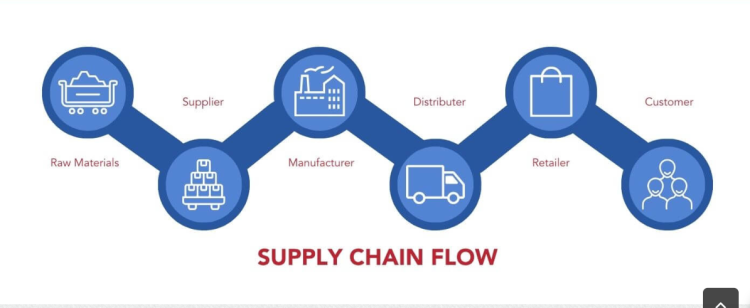
- India’s manufacturing ecosystem is deeply integrated with global supply chains, relying heavily on imported raw materials and intermediates.
- Recent geopolitical developments, particularly in West Asia, have exposed vulnerabilities arising from import dependence.
- While global interdependence supports growth, it also amplifies risks of supply disruptions and economic instability.
Key Vulnerabilities in India’s Supply Chains
- Energy Dependence
- India imports around 85% of crude oil and over 50% of natural gas.
- A $10 per barrel increase in crude prices can:
- Raise import bill by $13–14 billion
- Increase inflation by 30–40 basis points
- Reduce GDP growth by 0.2–0.3 percentage points
- Food and Fertilizer Dependence
- High import dependence on edible oils, pulses, and fertilizers.
- Domestic production meets only 44% of edible oil demand.
- Supply disruptions directly impact inflation and rural livelihoods.
- Manufacturing Supply Risks
- Imports constitute about 19% of GDP.
- India is strong in downstream manufacturing but depends on imports for upstream and midstream inputs.
- Critical Mineral and Technology Dependence
- Heavy reliance on imports of lithium, cobalt, rare earths. Around 65–70% of pharmaceutical intermediates are imported from China.
- High dependence on semiconductors and electronics components from East Asia.
- Limited domestic capability in high-end industrial machinery.
Strategic Imperatives for Supply Chain Resilience
- Energy Security
- Accelerate renewable energy to reduce import dependence on fossil fuels.
- Invest in energy storage systems to address intermittency challenges.
- Expand domestic oil and gas exploration to ensure long-term resilience.
- Strengthen strategic petroleum reserves for short-term disruptions.
- Food and Fertilizer Security
- Promote crop diversification and strengthen procurement systems for pulses and oilseeds.
- Build strategic reserves of edible oils and pulses.
- Enhance domestic production of fertilizers and promote bio-fertilizers.
- Industrial and Manufacturing Strengthening
- Deepen domestic manufacturing of intermediates and inputs such as APIs and semiconductors.
- Shift focus from final assembly to building complete industrial ecosystems.
Way Forward
- Diversify supply sources through strategic partnerships across regions such as Africa and Latin America.
- Promote domestic capacity by incentivising production of critical inputs and technologies.
- Encourage industries to adopt input-efficient and alternative technologies, reducing import intensity.
- Strengthen coordination between government, industry, and global partners for an integrated supply chain strategy.
- Continue expanding renewable energy and green hydrogen initiatives to ensure energy transition and sustainability.
- Enhance institutional capacity to anticipate and manage geopolitical risks affecting supply chains.
Conclusion
- India’s integration into global supply chains offers opportunities for growth but also exposes it to significant vulnerabilities.
- Building resilient supply chains requires a balanced strategy of diversification, domestic capacity building, and international cooperation.
