

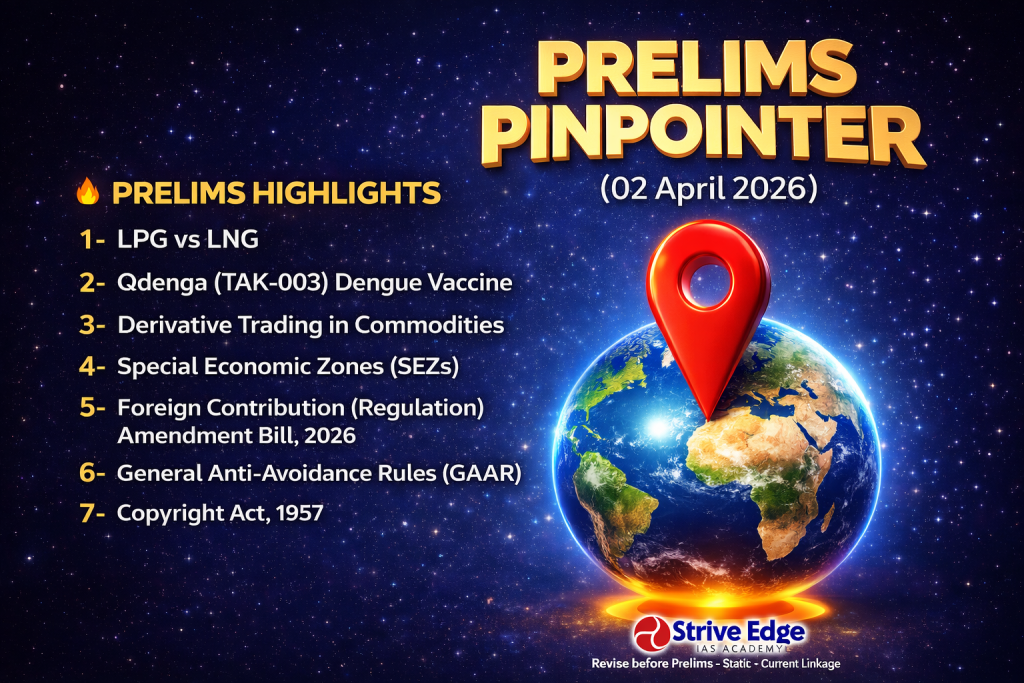
India’s Energy Security: LPG, LNG, and Strategic Reserves
Context and Impact of Crisis
- Disruption in the Strait of Hormuz due to the West Asia conflict has affected India’s energy supplies.
- India imports ~60% of LPG, and ~90% passes through the Strait, leading to ~54% supply disruption.
- Around 50% of natural gas is imported as LNG, with 30% supply disruption.
- The government prioritised household consumption, reducing supply to industrial and commercial users.
- The LPG situation is more difficult than LNG, prompting a shift towards PNG.
Properties of LPG and LNG
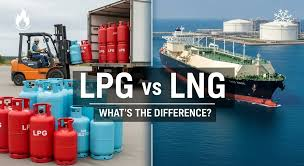
- LPG: Mixture of propane and butane, derived from crude oil refining and gas processing.
- LNG: Primarily methane, derived from natural gas.
- Liquefaction:
- LPG: Liquefied under moderate pressure/low temperature.
- LNG: Requires cryogenic cooling below -160°C.
- Volume Reduction:
- LPG: Reduced to 1/260th of gaseous volume.
- LNG: Reduced to 1/600th, enabling long-distance transport.
- Safety:
- LPG: Heavier than air, accumulates and increases explosion risk.
- Natural gas (PNG): Lighter than air, disperses quickly.
Usage, Distribution and Accessibility
- LPG Uses: Cooking, heating, industrial applications, and limited transport use.
- LNG Uses: Transported and converted to natural gas for PNG, CNG, fertilisers, power, refineries, petrochemicals.
- Distribution:
- LPG: Delivered in cylinders via road, suitable for remote areas.
- LNG: Transported via cryogenic ships → regasification → pipelines.
- Accessibility:
- LPG: Portable and widely accessible, especially in rural areas.
- PNG: Depends on pipeline infrastructure, mainly urban areas.
- Convenience:
- PNG: Continuous supply, no refill required.
- LPG: Requires periodic cylinder replacement.
Government Response and Policy Measures
- Supply prioritisation:
- 100% supply ensured for households (PNG/CNG).
- Industrial/commercial supply reduced to ~80%.
- User base:
- LPG: 33.3 crore households
- PNG: 1.5 crore connections
- PNG promotion:
- Incentives like free gas and waived connection charges.
- Push for City Gas Distribution (CGD) expansion.
- Domestic LPG production:
- Increased by 40%, share rose to ~55% of demand.
- Demand management:
- Booking gap increased to 25 days (urban) and 45 days (rural).
- Alternative fuels:
- Use of kerosene, fuel oil, biomass, coal for industries.
Dengue Vaccine Qdenga (TAK-003): Features, Efficacy, and India Launch
About
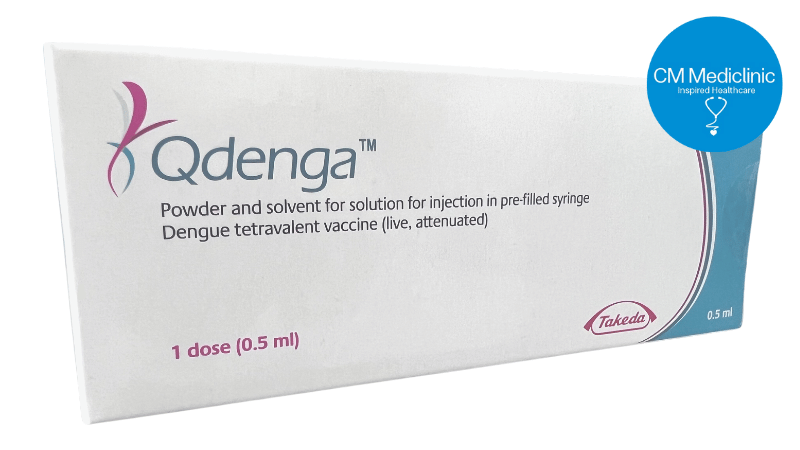
- Qdenga (TAK-003) is a live-attenuated tetravalent dengue vaccine developed by Takeda Pharmaceuticals.
- It targets all four dengue virus serotypes: DENV-1, DENV-2, DENV-3, and DENV-4.
- Built on a DENV-2 genetic backbone, with components of other serotypes integrated.
- Designed to provide broad protection against dengue infection.
Features and Mechanism
- Being live-attenuated, it uses weakened viruses to stimulate immune response.
- Provides protection against severe dengue and hospitalization.
- Does not require prior dengue infection screening, unlike earlier vaccines.
- Suitable for both seropositive and seronegative individuals.
Efficacy and Dosage
- Demonstrates long-term protection (more than 4 years).
- Shows over 80% reduction in dengue-related hospitalisation.
- Administered in a two-dose schedule, with a 3-month interval between doses.
Global and India Context
- Received WHO prequalification in May 2024, enabling wider global use.
- Recommended for individuals aged 4 to 60 years.
- In India:
- Expected launch by 2026.
- The Subject Expert Committee (SEC) has recommended its import and marketing.
- Manufactured in partnership with Biological E (Hyderabad).
- Supports Make in India by enhancing domestic vaccine production and accessibility.
Commodity Derivatives Trading in India: NCDEX, MCX, and Price Risk Management
Meaning and Basic Concept
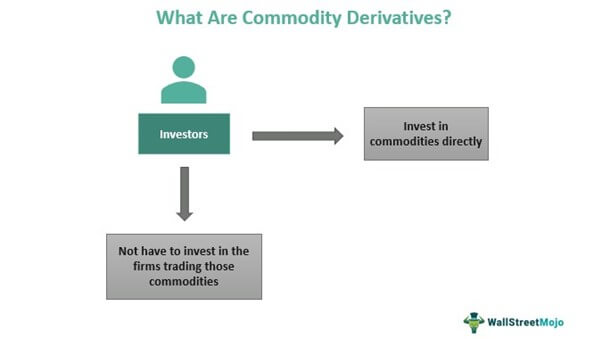
- Derivatives are short-term financial contracts traded in markets.
- Their value is derived from an underlying asset, such as agricultural commodities.
- Profit is earned by predicting price movements of the underlying commodity.
Types of Derivative Contracts
- Futures Contract:
- A seller agrees to sell a fixed quantity at a predetermined price on a future date.
- Creates a binding obligation for both buyer and seller.
- Options Contract:
- Gives the buyer the right, but not the obligation, to buy or sell an asset.
- Provides flexibility with limited risk compared to futures.
Role in Agriculture and Price Risk Management
- Farmers can lock in prices for their produce by entering into derivative contracts.
- Commodities must meet exchange-specified quality standards.
- Acts as a form of price insurance, protecting against market fluctuations.
Trading Mechanism and Exit
- Contracts can be bought and sold before expiry in the market.
- Traders or producers can exit positions by paying a margin to the exchange.
- Helps in maintaining liquidity and flexibility in trading.
Commodity Exchanges in India
- Major platforms for commodity derivatives trading:
- National Commodity and Derivatives Exchange (NCDEX)
- Multi Commodity Exchange (MCX)
- Commonly traded agricultural commodities include: Cotton, paddy, soybean, soya oil, mustard seed, etc.
Special Economic Zones (SEZs) in India: SEZ Act 2005, Incentives, and 2025 Amendments
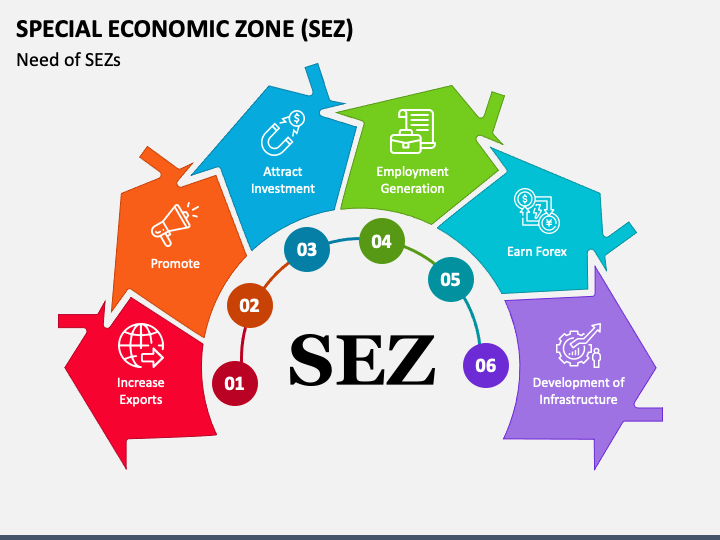
Concept and Objectives
- SEZs are designated areas within a country offering special economic regulations and incentives for businesses.
- They provide duty-free trade, tax benefits, and world-class infrastructure to promote ease of doing business.
- Key objectives include:
- Promoting exports of goods and services
- Attracting foreign and domestic investment
- Generating employment opportunities
- Boosting economic activity and infrastructure development
- SEZ category includes various forms such as:
- Free Trade Zones (FTZs)
- Export Processing Zones (EPZs)
- Free Ports and Industrial Estates
Evolution and Status in India
- Asia’s first Export Processing Zone (EPZ) was set up at Kandla (1965).
- SEZ Policy was introduced in April 2000 to make SEZs engines of economic growth.
- SEZ Act, 2005, passed; came into force on February 10, 2006 (with SEZ Rules).
- Existing EPZs converted into SEZs (e.g., Kandla, Surat, Mumbai, Cochin, Chennai, Visakhapatnam, Falta, Noida).
- As of March 31, 2024: 280 operational SEZs in India.
Key Features and Incentives
- SEZ is treated as a duty-free enclave, considered outside customs territory for authorised operations.
- Duty-free import and domestic procurement are allowed for SEZ units.
- No import licence required; both manufacturing and services permitted.
- Tax Incentives (Section 10AA):
- 100% exemption on export income for first 5 years
- 50% for next 5 years
- 50% of reinvested export profits for next 5 years
- GST Treatment:
- Supplies to SEZs are zero-rated under IGST Act, 2017.
- Operational Flexibility:
- Single-window clearance for approvals
- Subcontracting allowed
- No routine customs inspection for cargo
- Compliance Requirements:
- Must maintain Positive Net Foreign Exchange (NFE) over 5 years
- Domestic sales allowed but subject to customs duties
- Minimum Alternate Tax (MAT) applicable
2025 Amendments
- Focus on promoting semiconductor and electronic component manufacturing.
- Rule 5 amended: Minimum land requirement reduced from 50 hectares to 10 hectares.
- Rule 18 amended: SEZ units allowed to sell in domestic market on payment of applicable duties.
- Rule 7 amended: Board of Approval empowered to relax encumbrance-free land requirement in specific cases (e.g., mortgaged/leased land).
Foreign Contribution (Regulation) Amendment Bill, 2026

Context and Purpose
- The proposed FCRA Amendment Bill, 2026 seeks to strengthen regulation of foreign funds received by NGOs and individuals.
- It aims to address regulatory gaps, accountability issues, and misuse of foreign contributions.
- The parent law is the Foreign Contribution (Regulation) Act, 2010, administered by the Ministry of Home Affairs (MHA).
Key Provisions of Amendment Bill, 2026
- Designated Authority for Assets:
- The government can appoint an authority to take over, manage, or dispose assets created from foreign funds.
- Proceeds may be transferred to the Consolidated Fund of India.
- Expanded “Key Functionary” Definition:
- Includes directors, trustees, partners, karta (HUF), office-bearers, etc.
- Such persons can be held personally liable for violations.
- Prior Approval for Investigation:
- State governments and law enforcement agencies must obtain Central Government approval before initiating FCRA-related investigations.
- Timelines and Automatic Cessation:
- Fixed timelines for receipt and utilisation of funds.
- Registration will automatically lapse if not renewed.
- Reduced Punishment:
- Maximum imprisonment reduced from 5 years to 1 year, with rationalised penalties.
FCRA Act, 2010: Core Features
- Regulates acceptance, utilisation, and accounting of foreign contributions and hospitality.
- Came into force in 2011; amended in 2016, 2018, and 2020.
- Around 16,000 registered associations, receiving ~₹22,000 crore annually.
- Objective:
- Prevent use of foreign funds for activities against national interest, sovereignty, and public order.
- Registration Requirements:
- Mandatory registration or prior permission from Central Government.
- Valid for 5 years, renewal required before expiry.
- Organisation must:
- Be registered under relevant laws
- Have minimum 3 years track record
- Spend at least ₹15 lakh in last 3 years
- Banking Rule:
- Foreign funds must be received in a designated SBI account (New Delhi main branch).
- Utilisation Restrictions:
- No transfer (sub-granting) to unregistered entities.
Restrictions and Prohibitions
- Foreign contribution prohibited for:
- Election candidates
- Journalists and media entities
- Judges and government servants
- Members of legislature
- Political parties and organisations of political nature
- Applicants must not:
- Be fictitious entities
- Be involved in communal disharmony or anti-national activities
General Anti-Avoidance Rules (GAAR): Concept, Features, and Tax Avoidance

Concept
- GAAR is an anti-tax avoidance framework under the Income Tax Act, 1961.
- It came into effect from 1st April 2017.
- It aims to curb aggressive tax planning that leads to revenue loss for the government.
- Targets arrangements that are legally valid in form but designed to avoid tax in substance.
Key Features
- Applies to transactions or arrangements primarily undertaken to reduce tax liability.
- Focuses on substance over form, i.e., the real intention behind the transaction.
- Designed to tackle tax avoidance, not legitimate tax planning.
- Covers cases where:
- Arrangement lacks commercial substance
- The main purpose is the tax benefit
- Structure is artificial or contrived
Powers under GAAR
- Tax authorities can declare a transaction as an Impermissible Avoidance Arrangement (IAA).
- They can:
- Re-characterise or disregard transactions
- Recompute income and tax liability
- Deny tax benefits arising from such arrangements
Procedural Aspect and Threshold
- Applicable to cases involving significant tax impact.
- Reassessment notices for under-reported income of ₹50 lakh or more can be issued within:
- 5 years and 3 months from the end of the relevant assessment year.
Copyright Act 1957: Fair Dealing, Duration, and International Conventions

Background and Purpose
- The Copyright Act, 1957 is the first post-independence copyright law in India, replacing the 1914 Act.
- It aligns India with international conventions such as:
- Berne Convention (1886)
- Universal Copyright Convention (1951)
- Rome Convention (1961)
- TRIPS Agreement
- India also joined the WIPO Copyright Treaty (WCT) and the WIPO Performances and Phonograms Treaty (WPPT) in 2013, strengthening digital copyright protection.
- The Act grants creators exclusive rights such as:
- Reproduction, adaptation, distribution, translation, and communication to the public.
Key Provisions and Features
- Copyright is a bundle of rights covering:
- Reproduction, communication, translation, adaptation
- Covers a wide range of works:
- Literary, musical, dramatic, artistic works
- Cinematograph films and sound recordings
- Includes software, databases, architecture, and craftsmanship
- Ownership and Assignment:
- Author is the first owner, except in employer-employee cases
- Assignment must be through a written agreement (Section 19)
- If duration not specified → valid for 5 years
- If territory not specified → limited to India
- Recognises joint authorship when contributions are indistinguishable.
- Provides civil, criminal, and administrative remedies (including customs detention).
- Jurisdiction based on the place where cause of action arises (as per Supreme Court ruling).
- Foreign works protected via International Copyright Order.
Exceptions (Fair Dealing – Section 52)
- Ensures balance between creator rights and public interest.
- Permitted uses include:
- Private use and research
- Education and teaching
- Criticism and review
- Reporting of current events
- Freedom of Panorama:
- Allows photography/depiction of buildings and public artworks
- Permits inclusion of such works in films if incidentally present
Duration of Copyright
- Literary, dramatic, musical, artistic works: Lifetime of author + 60 years after death
- Other categories (60 years from publication):
- Cinematograph films
- Sound recordings
- Photographs
- Government works
- Public undertakings and international organisations
- Anonymous/Pseudonymous works: 60 years from publication
- For foreign works, duration cannot exceed country of origin.
