

Context
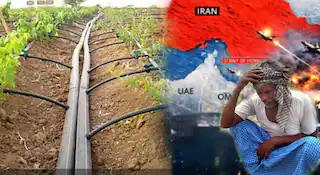
- The ongoing West Asia conflict (Iran war) is expected to have deeper and more prolonged economic consequences for India compared to the Russia–Ukraine war.
- Its impact extends beyond oil to trade, remittances, and macroeconomic stability.
Key Economic Linkages with West Asia
- Energy dependence: A significant share of India’s oil and LPG imports originates from this region.
- Trade exposure: West Asia forms a major part of India’s merchandise and services trade.
- Diaspora link: Around 9–10 million Indians live in Gulf countries, supporting large remittance inflows.
- Maritime routes: Critical chokepoints like the Strait of Hormuz influence India’s energy and trade security.
Emerging Economic Impacts
- Rising energy costs
- Oil prices have surged above $100 per barrel, increasing import bills and inflationary pressures.
- Fertiliser and input costs also rise, affecting agriculture and food prices.
- Trade disruptions
- Supply chain disturbances increase the cost of imports such as fertilisers and chemicals.
- Export competitiveness may decline due to higher production costs.
- Pressure on Balance of Payments
- Higher imports widen the trade deficit.
- India’s current account deficit (CAD) may worsen despite strong services exports.
- Remittance risks
- Economic slowdown in Gulf economies can reduce remittances, weakening India’s invisible earnings.
Why Impact May Be Greater than Ukraine War
- The Russia–Ukraine conflict mainly affected commodity prices, whereas the Iran conflict affects:
- Energy supply routes,
- Regional economies,
- Diaspora livelihoods simultaneously.
- Closure or disruption of Strait of Hormuz directly threatens global oil flows.
- West Asia’s closer integration with India makes the impact more immediate and multi-dimensional.
- Structural Vulnerabilities Exposed
- High import dependence for energy.
- Over-reliance on remittances from Gulf countries.
- Limited diversification of supply chains.
- Sensitivity of the economy to external geopolitical shocks.
Way Forward
- Diversify energy sources: Expand imports from alternative regions and invest in renewables.
- Strengthen strategic reserves: Enhance buffer against supply disruptions.
- Boost exports and services: Strengthen invisible earnings to offset trade deficits.
- Engage diplomatically: Maintain balanced relations in West Asia to protect economic and diaspora interests.
- Build resilience: Develop robust logistics, trade diversification, and risk management systems.
Conclusion
- The Iran conflict highlights that India’s economic stability is deeply tied to West Asia’s geopolitical dynamics. A balanced foreign policy combined with economic resilience will be crucial to navigate such complex global shocks.
